
Let’s be honest, the Sunday Scaries are real. For me, they used to manifest as a frantic mental checklist of the week ahead, with one question looming largest: “What on earth am I going to eat?” Weeknights were a blur of expensive takeout, questionable frozen meals, and the guilt that came with it. That all changed when I finally figured out a meal prep routine that worked for me. It wasn’t about a dozen perfect, identical containers; it was about creating freedom. This guide is how I learned to meal prep like a champ, and it has completely transformed my weeks.
If you’re just starting, the idea of prepping a whole week’s worth of food can feel incredibly overwhelming. I get it. But I’m here to tell you my secret: it’s not about cooking seven different dinners. It’s about creating building blocks. This is the meal prep guide for beginners I wish I had when I started.
First Things First: Your Game Plan
Before you even preheat the oven, you need a plan. A simple one. The biggest mistake people make when they first learn how to start meal prepping is trying to do way too much. They see influencers with 20 containers of five different gourmet meals and think that’s the only way. It’s not. My advice? Pick two main proteins, two carbs, and a handful of veggies for the week. That’s it.
For example, my list for the week might look like this:
- Proteins: Chicken breast and a block of firm tofu.
- Carbs: Quinoa and sweet potatoes.
- Veggies: Broccoli, bell peppers, and a big container of spinach.
From these simple components, I can create tons of combinations. A chicken and quinoa bowl with roasted broccoli one day, a tofu scramble with peppers and sweet potatoes another. This approach is the core of how to food prep for beginners because it focuses on versatility, not rigid recipes.
My Two-Hour Power Prep Session
I set aside about two hours every Sunday for my meal prep routine. I put on some music or a podcast and get into the zone. Having a clear workflow is key to making this efficient and, dare I say, enjoyable.
The First 30 Minutes: Prep and Preheat
The very first thing I do is preheat my oven to 400°F (200°C). While it’s heating up, I tackle the veggies. I wash and chop everything—the broccoli into florets, the peppers into strips, the sweet potatoes into cubes. Getting all your knife work done at once is a huge time-saver. I also get my quinoa rinsing in a fine-mesh sieve.
The Next 60 Minutes: The Cooking Frenzy
This is where the magic happens. I toss the chopped veggies with a bit of olive oil, salt, and pepper, spread them on a baking sheet, and get them into the oven. They’ll usually take about 30-40 minutes. At the same time, I put the quinoa on the stove to cook. While those two things are going, I focus on the protein. I might bake the chicken breasts on another sheet pan for 20-25 minutes and pan-fry the cubed tofu until it’s golden. It’s all about simultaneous cooking.
The Final 30 Minutes: Cool, Portion, and Clean
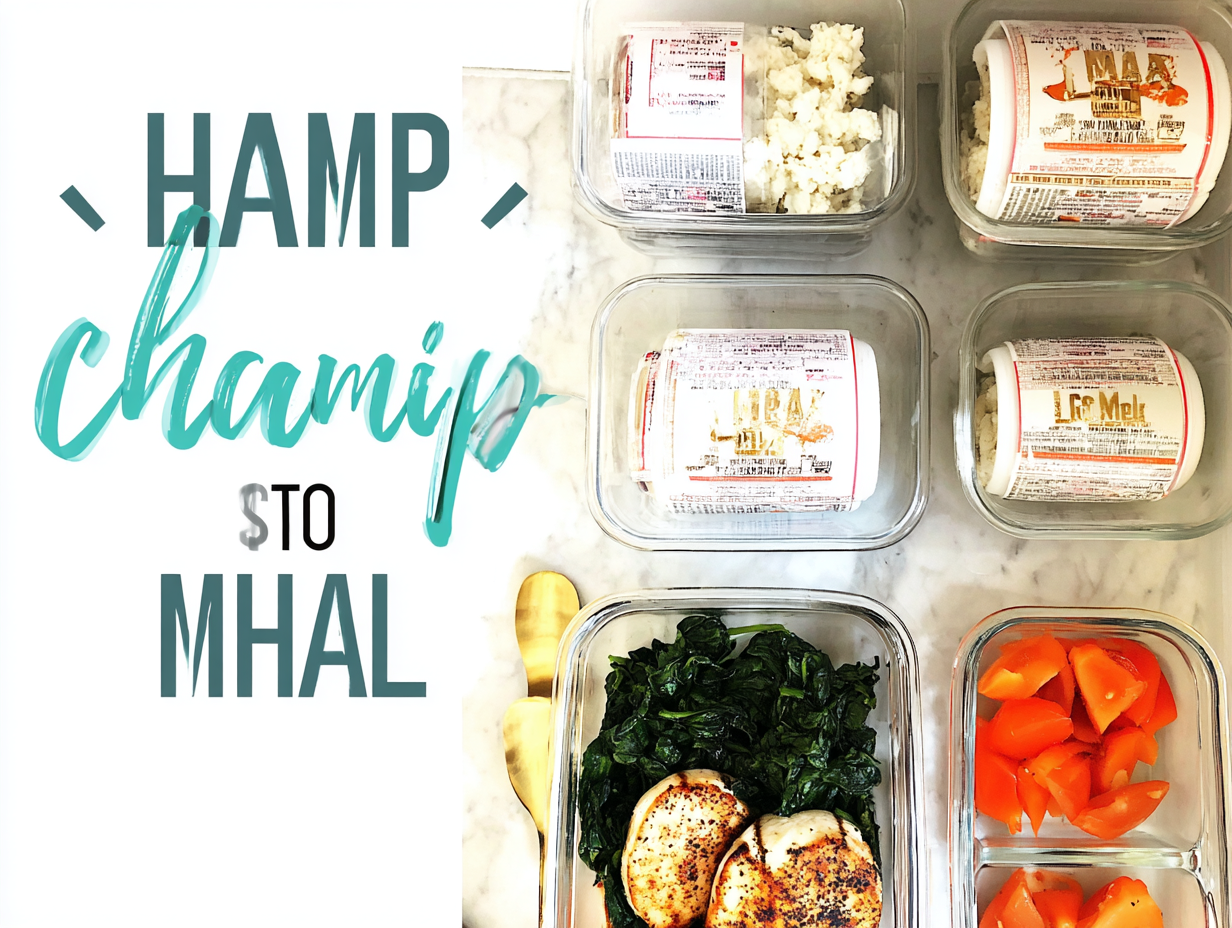
This is a crucial step in how to meal prep safely. Never, ever put hot food into a sealed container and into the fridge. It can create a breeding ground for bacteria. I let everything cool down on the counter. While it’s cooling, I wash all the dishes. Once everything is at room temperature, I portion it out into my glass containers for the week.
The Secret Weapon Against Boring Meals
Here’s one of the most important meal prep tips for beginners: your prep is just the base. The flavor comes from the “extras” you add right before you eat. Prepping a few simple sauces or dressings at the beginning of the week is my secret to never getting bored. This is what turns a plain bowl of chicken and quinoa into one of many easy healthy meal prep recipes.
- Lemon-Herb Vinaigrette: Olive oil, lemon juice, Dijon mustard, a little maple syrup, and whatever fresh herbs you have.
- Spicy Peanut Sauce: Peanut butter, soy sauce, a little lime juice, sriracha, and a splash of hot water to thin it out.
- Yogurt-Dill Sauce: Plain Greek yogurt, chopped fresh dill, garlic powder, and a squeeze of lemon.
I store these in small jars in the fridge. Each day, I can grab my prepped container, add a different sauce, and it feels like a completely different meal.
Storing Your Hard Work for Maximum Freshness
How you store your food is just as important as how you cook it. I personally prefer glass containers because they don’t stain or hold onto odors, and you can reheat food directly in them. For things you want to stay crisp, like nuts or seeds, pack them in a separate small container. The same goes for sauces; always store them separately to prevent your meal from becoming soggy.
Most prepped meals will last about four days in the fridge. If you’re prepping for the full week, consider freezing the portions for Thursday and Friday. Just pull one out the night before and let it thaw in the refrigerator. This simple meal prep how-to has been a lifesaver for keeping food tasting its best all week long.
Getting into a meal prep routine takes a little practice, but it’s one of the best things I’ve ever done for my health, my budget, and my sanity. Start small, focus on components instead of complex recipes, and don’t be afraid to find what works for you. You’ve got this!